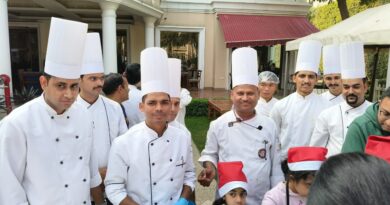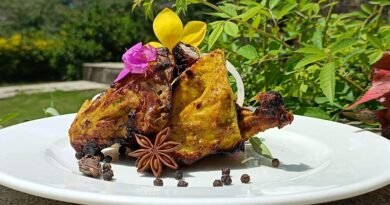






CHEF ANIRBAN DASGUPTA EXPLORES THE EMOTIONAL BOND BETWEEN BENGALI CUISINES’ AND FISH: Part-14
Friday, 01/10/2026: Chef Anirban Dasgupta reflects on the deep emotional relationship between Bengali culture and fish, describing it as an affection that goes far beyond the dining table. For generations, fish has occupied a distinctive place in Bengali culinary traditions, family meals and cultural celebrations. For a Bengali, the experience of eating fish is often connected with memories, emotions and a sense of belonging that is difficult to express in words. From everyday meals to festive occasions, fish has remained an integral part of Bengal’s food culture, with different regions and households developing their own preparations, techniques and preferences. Chef Anirban believes that this emotional connection is what makes Bengali cuisine particularly distinctive. The culinary identity of Bengal is not simply defined by individual ingredients but by the stories, traditions and sentiments associated with them. Fish therefore represents much more than a staple food in Bengali households; it forms part of a culinary heritage passed from one generation to another.
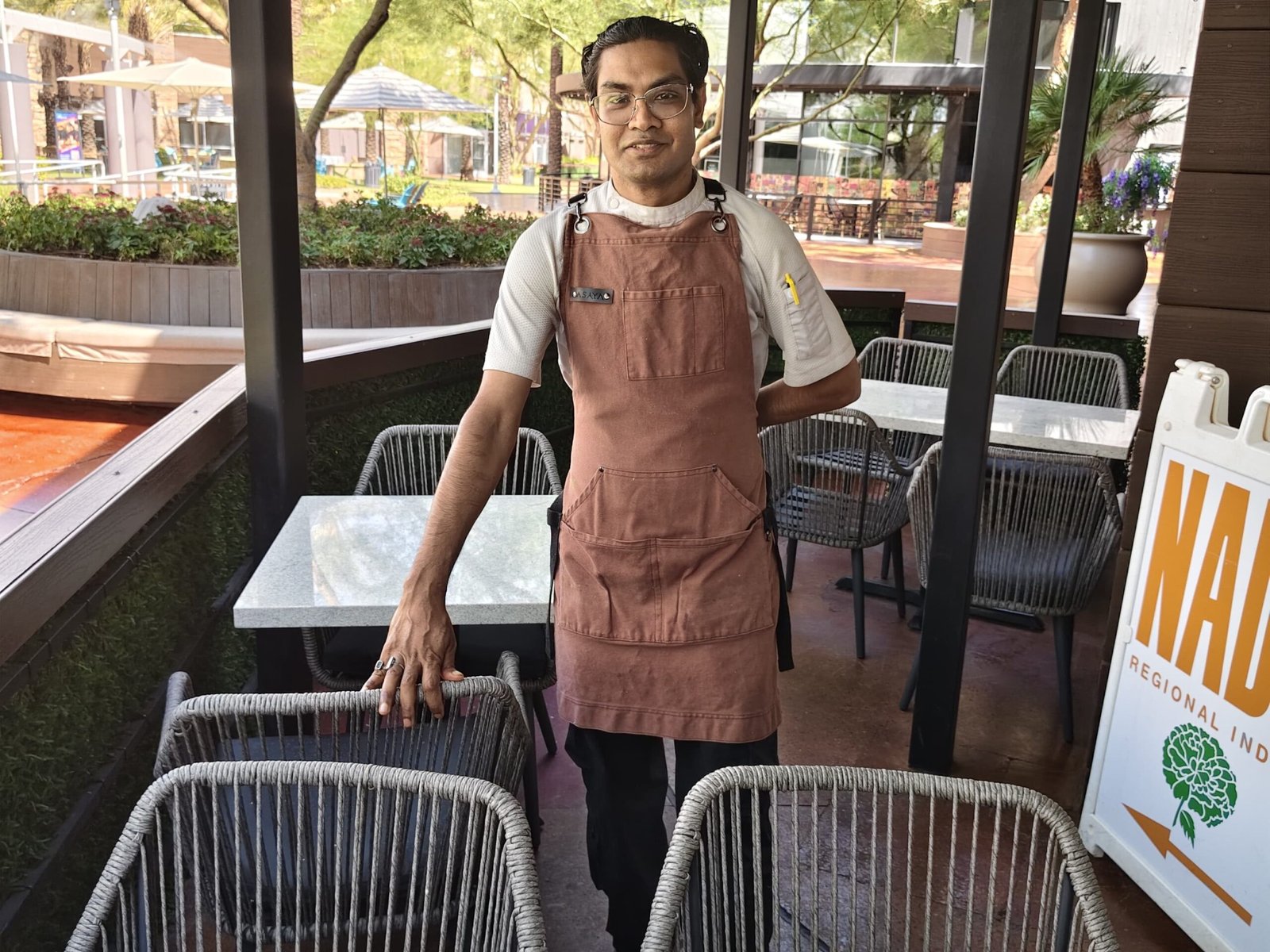
Chef Anirban Dasgupta
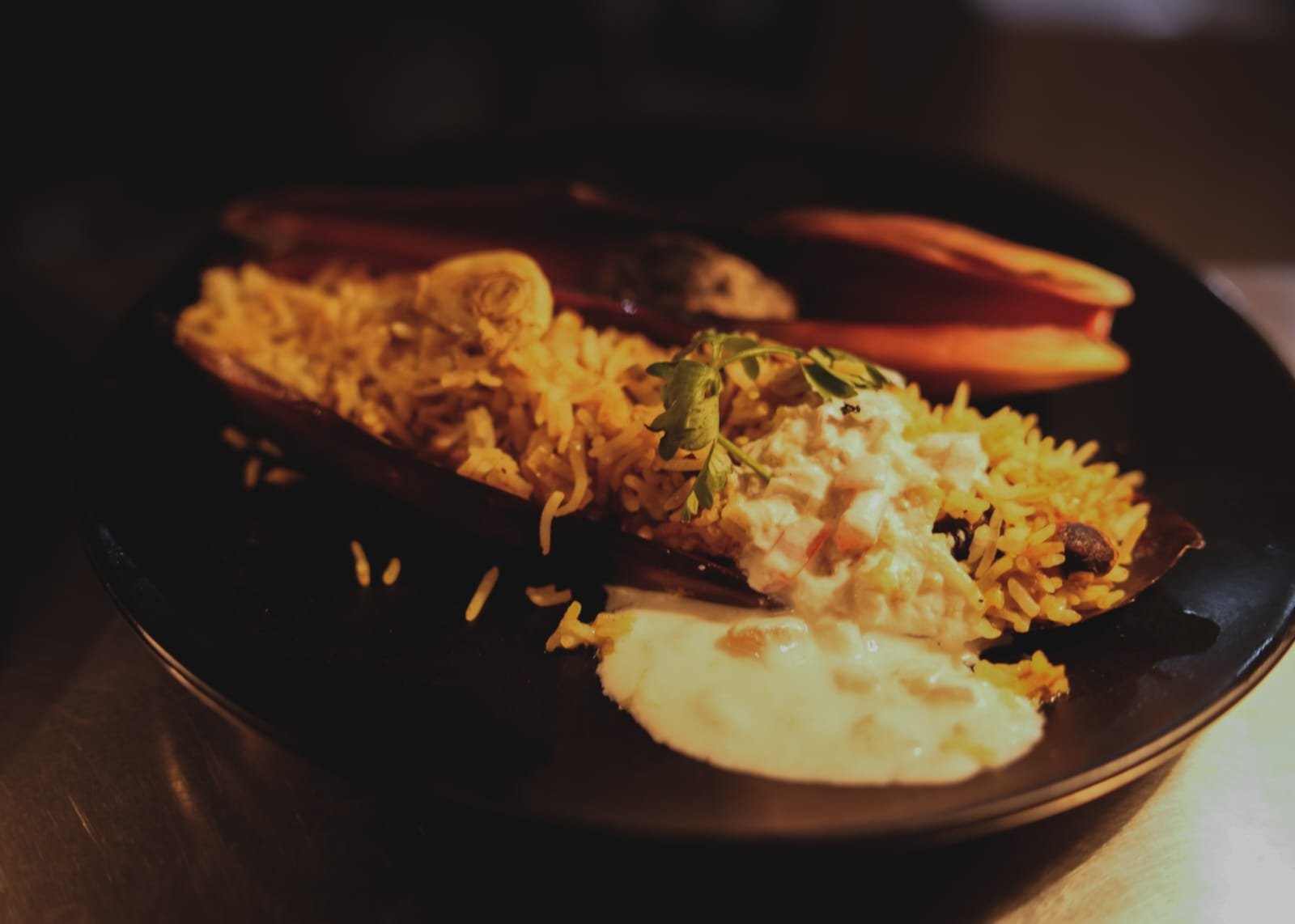
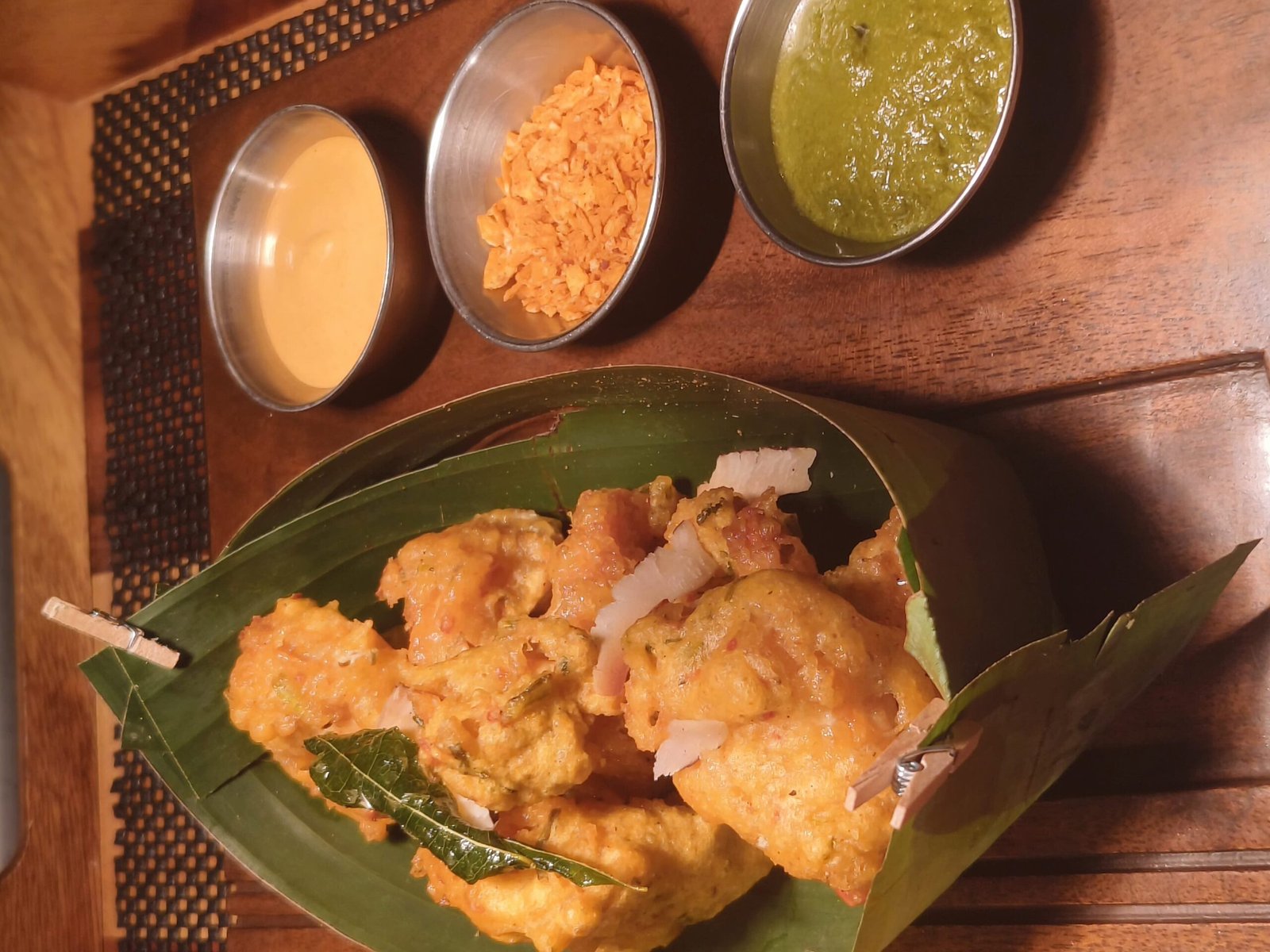
At the same time, Chef Anirban Dasgupta emphasises that Bengali cuisine cannot be defined by its celebrated fish and other non-vegetarian preparations alone. Bengal has an extensive vegetarian culinary tradition featuring dishes that demonstrate remarkable creativity, balance and depth of flavour. Traditional preparations such as Shukto, Chanar Dalna, Dhokar Dalna, Aloo Jhinge Posto and Jackfruit Kasha showcase the diversity of Bengali vegetarian cooking. These dishes reflect the region’s ability to transform vegetables, lentils, cottage cheese and seasonal produce into sophisticated culinary experiences. Shukto, known for its distinctive balance of bitter and aromatic flavours, represents one aspect of this traditional repertoire while Chanar Dalna and Dhokar Dalna demonstrate the versatility of Bengali cottage cheese and lentil-based preparations. Aloo Jhinge Posto brings together potato, ridge gourd and poppy seeds while Jackfruit Kasha highlights the culinary possibilities of seasonal produce.
xyz
For Chef Anirban Dasgupta, this balance between fish-based traditions and vegetarian cuisine is central to understanding the richness of Bengali culinary heritage. The cuisine represents an evolving relationship between ingredients, seasonality, regional food habits and generations of culinary knowledge. While fish continues to evoke a powerful emotional connection among Bengalis, traditional vegetarian dishes reveal an equally compelling side of the region’s gastronomic identity. Together, these culinary traditions demonstrate how Bengali food culture has developed through diversity rather than dependence on a single category of ingredients. Chef Anirban’s perspective encourages young culinary professionals and food enthusiasts to explore Bengali cuisines’ in its entirety — from its celebrated fish preparations to its sophisticated vegetarian repertoire. Preserving this heritage requires not only cooking these dishes but also understanding the cultural memories and traditions that give them their distinctive character.
INTERVIEWED AND PICTURE COURTESY BY: Chef Anirban Dasgupta.
INTERVIEW TAKEN BY: Khatibah Rehmat (Senior Journalist).
For interviews, advertisements and collaborations with REFT Today, kindly contact: +91-9807 224 255/ +91-7905 613 350.